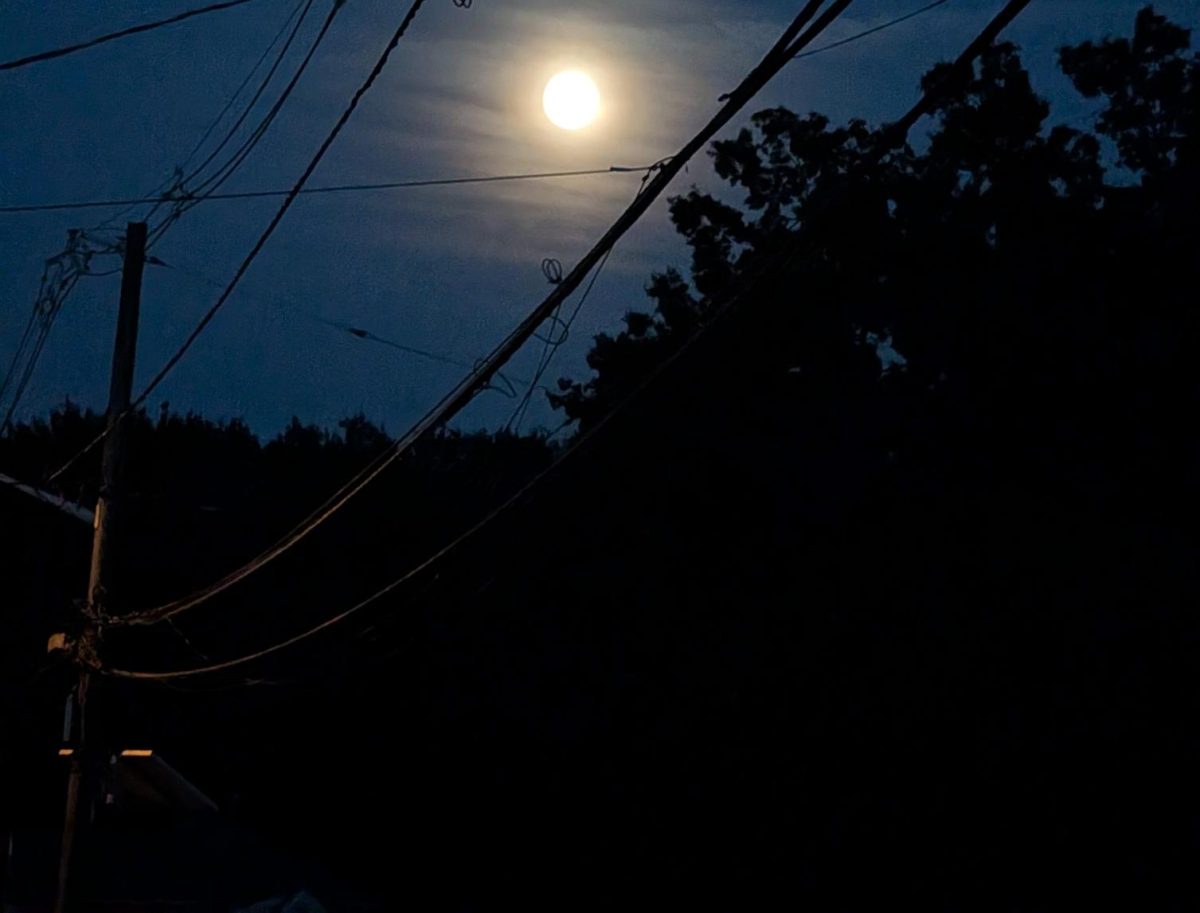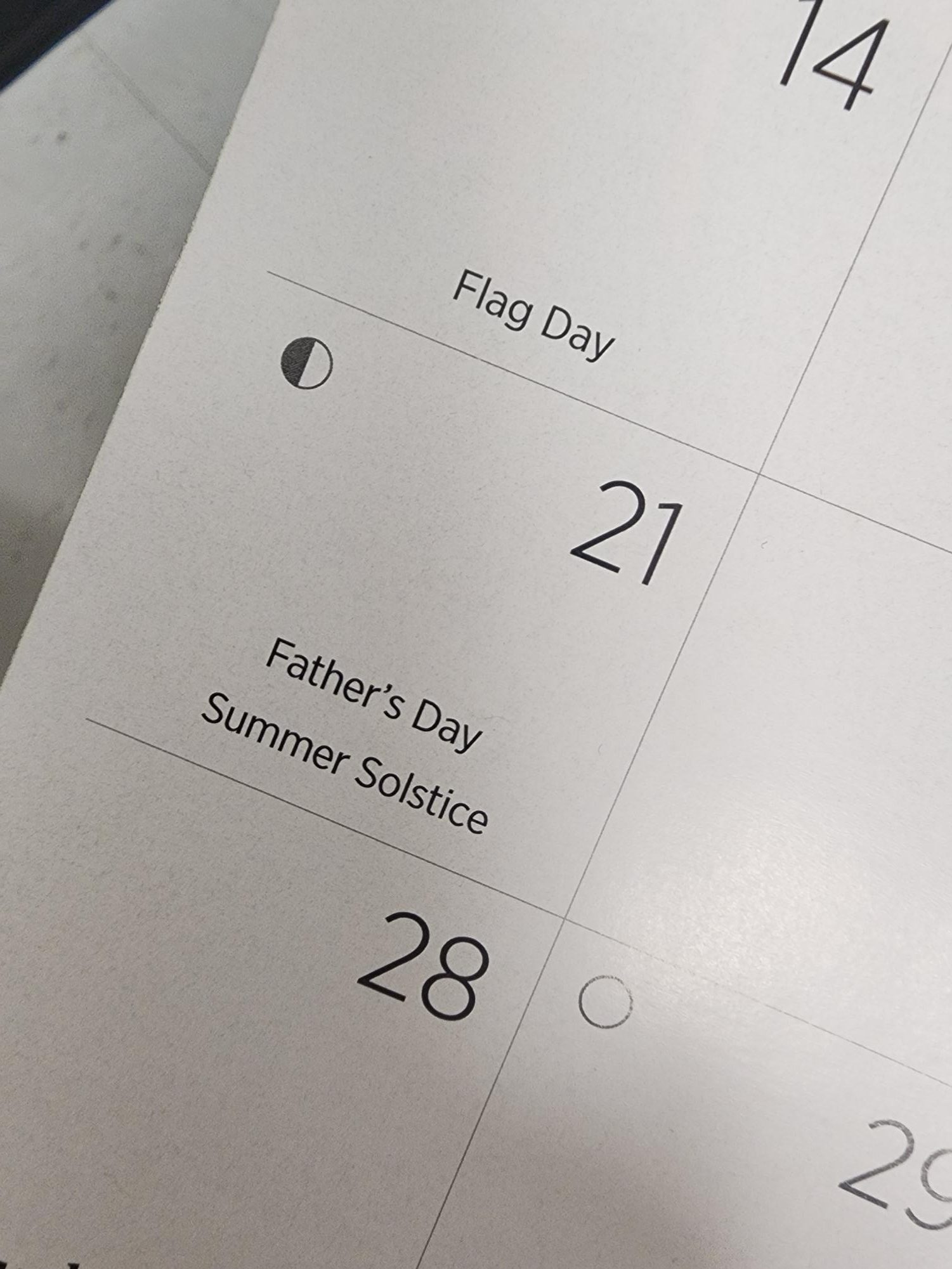
The summer solstice, also known as the longest day of the year, will occur on June 21, 2026. On this day, the sun will set at around 8:30 p.m., making it seem like a longer day. After the summer solstice, the sun will gradually begin setting earlier because Earth is tilted on its axis.
Noah Asmar, a sixth-grader, said, “It isn’t very important, but it is nice because you can feel the difference when summer starts. It’s good to know that, ‘Hey, summer’s here!'”
The summer solstice is important because it marks the official beginning of summer. According to an article from the History Channel’s website, the word solstice comes from the Latin words sol, meaning sun, and sistere, meaning to stand still. People have celebrated the summer solstice for thousands of years, dating back to the Neolithic Era. Ancient farmers used these celebrations to help time their crop cycles.
“I feel like it is an opportunity to have as much fun as possible before the day is over because you get more time out of it,” Liam Smith, a sixth-grader, said. “I do not think it is 100 percent necessary, but the fact that you get more time to play on this day is special.”
People celebrate the summer solstice in many different ways. Some spend time watching the sunset, while others gather around bonfires that symbolize the sun. Many people spend the day outdoors by hiking, swimming, or participating in other activities. Some even weave flower crowns as part of the celebration.
Overall, the summer solstice is a tradition that marks the start of summer and has been celebrated for thousands of years. While it was once important for helping farmers track the seasons, today it gives people an opportunity to enjoy the longest day of the year.